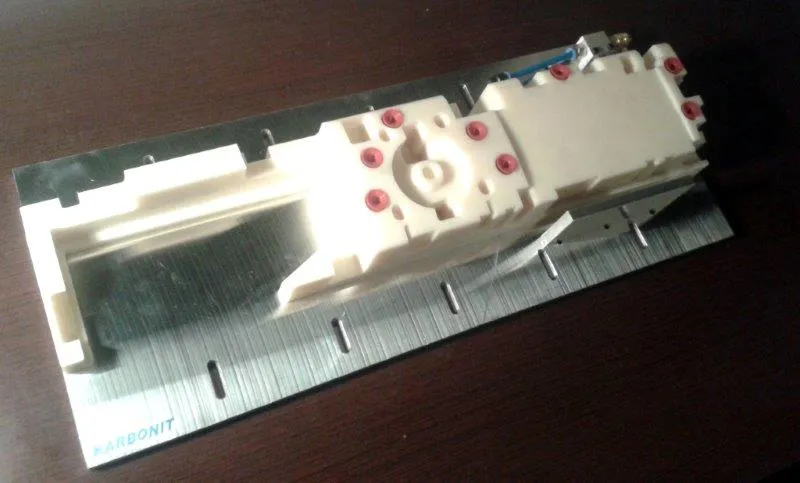
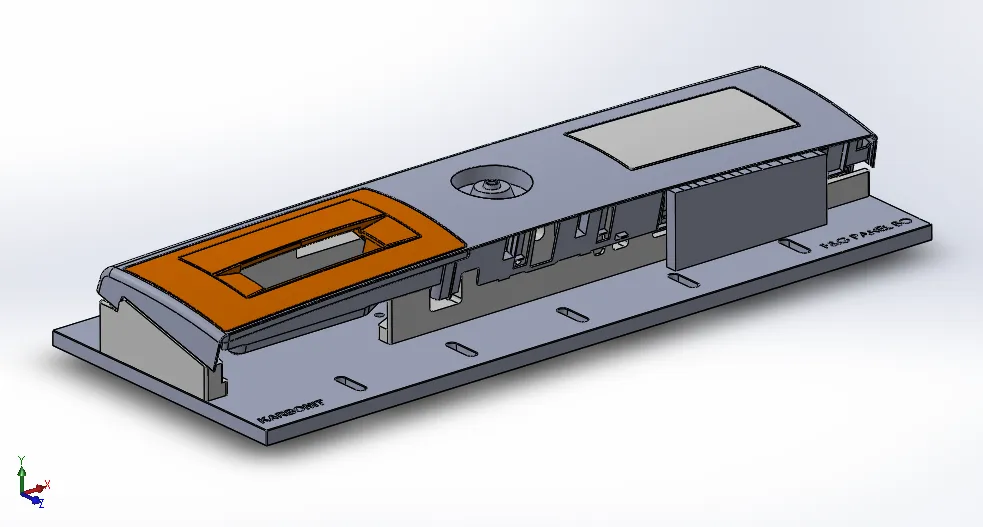
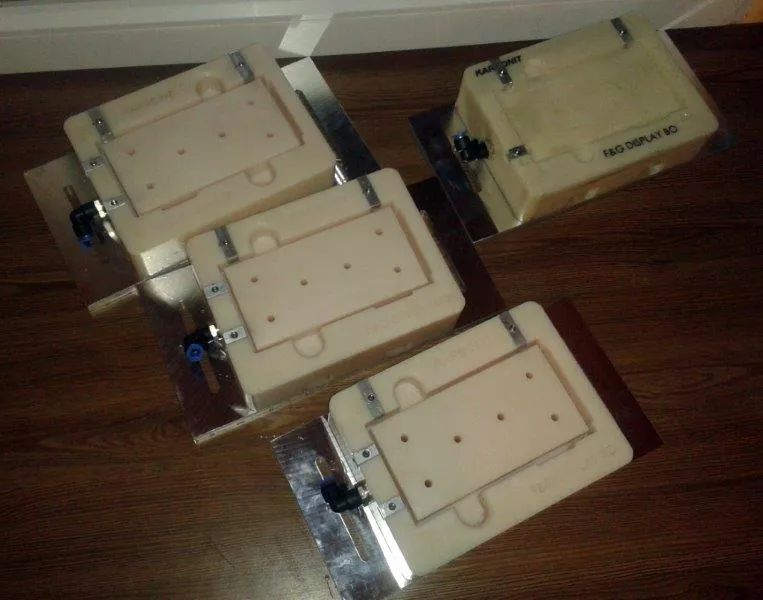
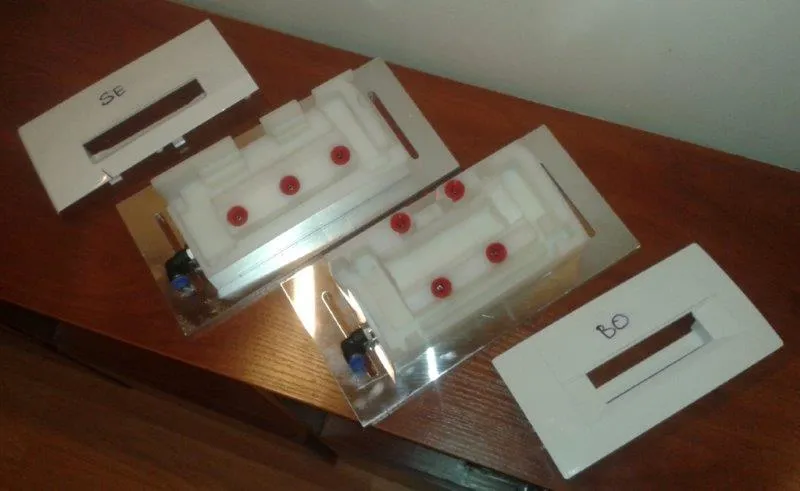
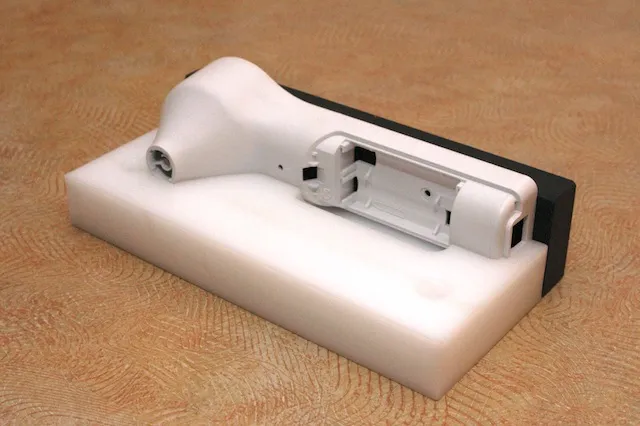
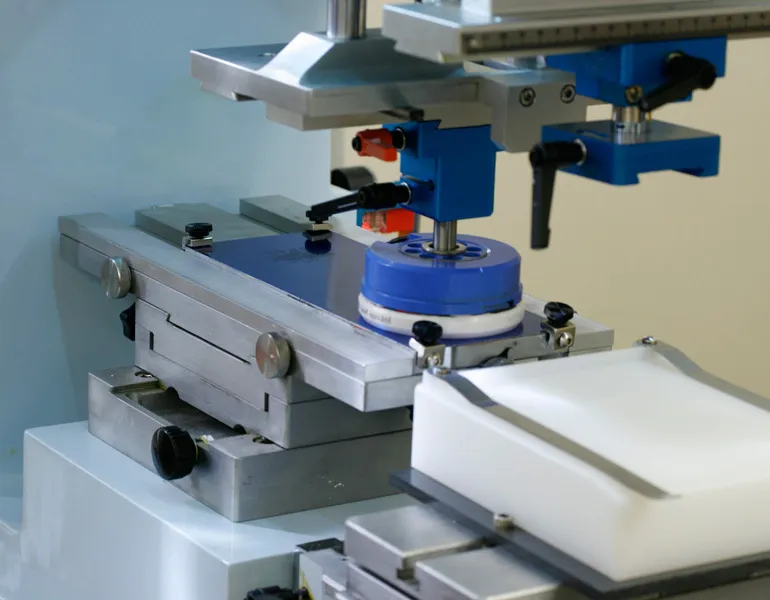
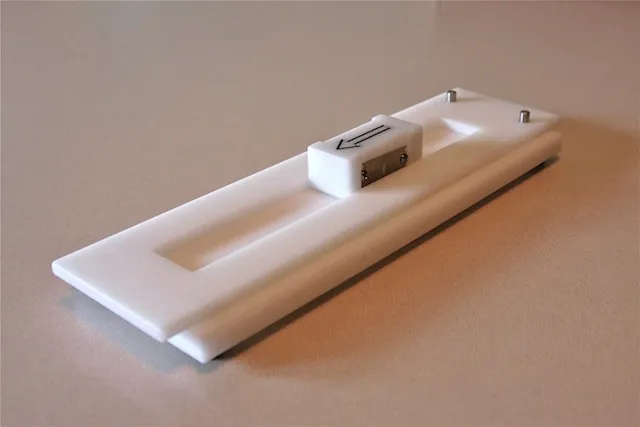
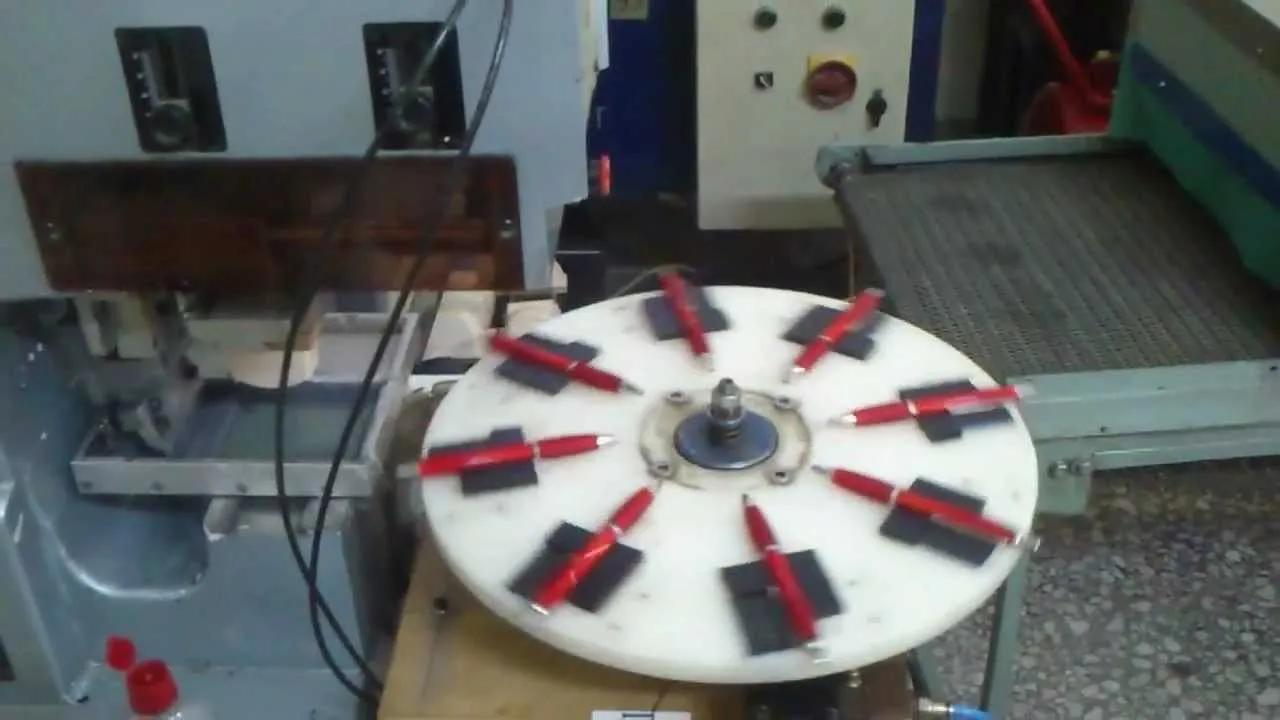
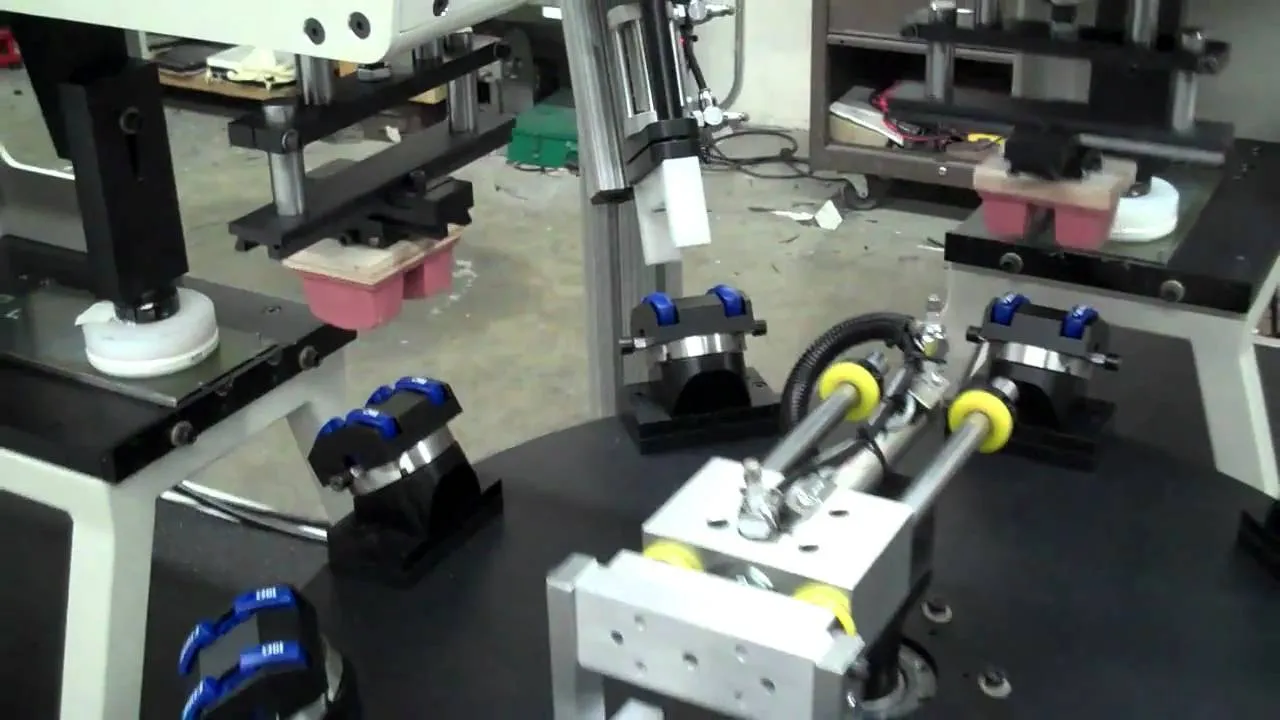
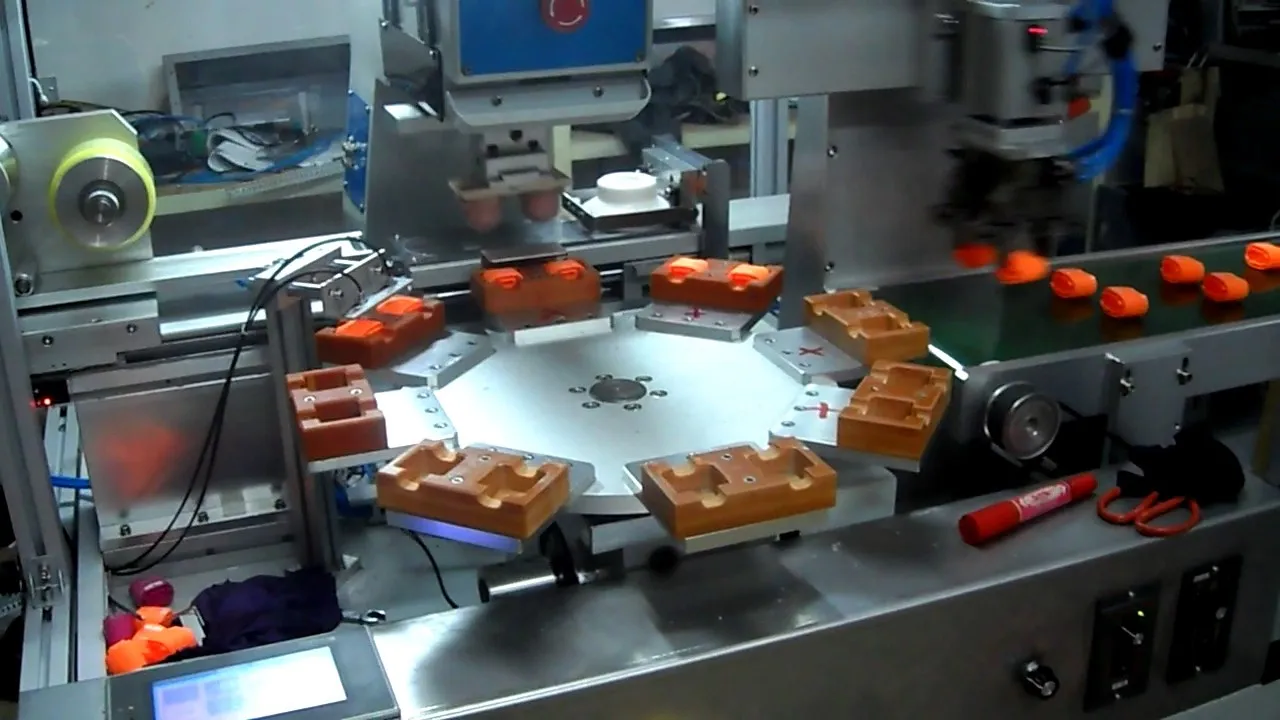
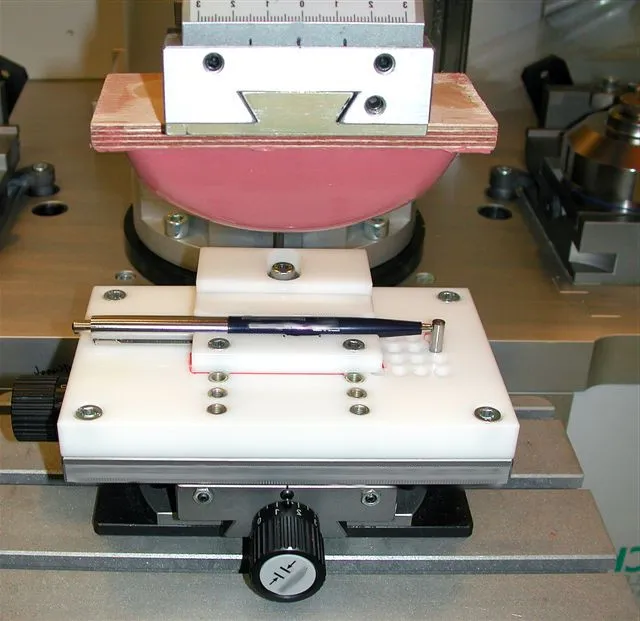
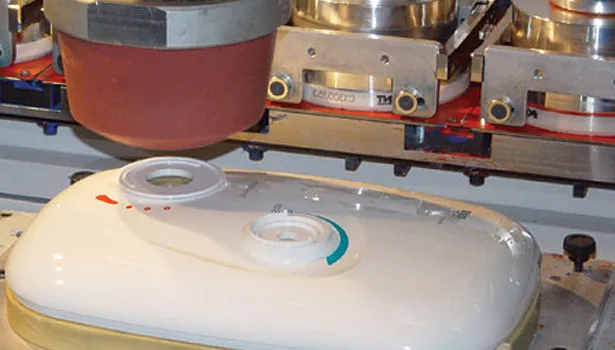
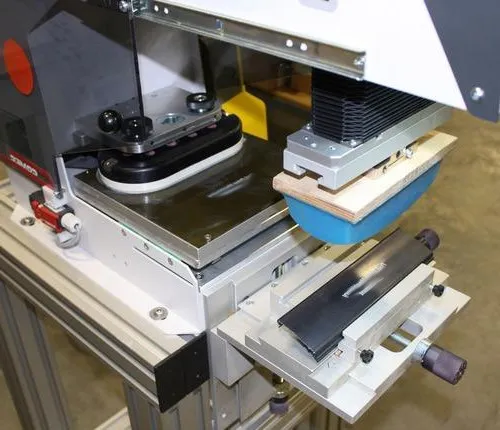
In Łódź we design and make fixtures (nests) for pad printing and hot stamping. We create a 3D model of the tool and adapt the fixture to your machine and working conditions. Fixtures are made from polyamide, polyethylene, polypropylene, aluminium and tool steel, and can include vacuum suction cups, actuators and sensors that connect to the machine. We also design pad printing tables that match your cliché.
How a pad printing fixture is made
We start by analysing the part to be printed. We need a 3D model in any format or the part itself, plus the print artwork or the cliché if you already have one.
We then design the 3D model of the fixture, choosing wall angles and clearances so that the part always fits well, regardless of small differences between supplier batches. We make sure the print is repeatable and sharp, with the artwork transferring precisely from the silicone pad to the part. Printed parts can be made of plastic, steel, glass, ceramics, wood, cardboard and other materials. We make fixtures for large automatic multi-colour pad printers as well as small manual machines.
Materials and fast prototypes
Fixtures are usually made from PA6 polyamide or aluminium. When a quick test is needed, we 3D print a prototype within a day. Sometimes the prototype works so well that it goes straight into regular production.
Hot-stamping fixtures
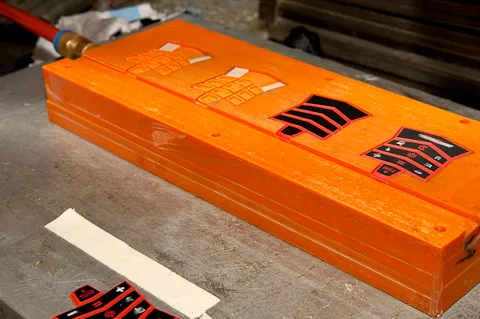
Our fixtures are also used in hot stamping, holding the part while the foil pattern is applied. We do not make silicone hot-stamping dies.
KARBONIT from Łódź carries out production equipment and industrial automation projects throughout Poland.